Storage Units give homeowners and businesses a secure place to keep furniture, documents, vehicles, and seasonal equipment when space runs short. A well-run facility protects items from moisture, theft, and temperature swings while allowing quick access when needed. Choosing the right location and unit size prevents wasted money and last-minute moves. Further reading is visit the site.
Alma residents often discover that local options range from small drive-up lockers to climate-controlled warehouses. Prices vary by square footage, security features, and whether the unit sits indoors or outside. Before signing a contract, compare gate hours, insurance requirements, and move-in fees so the final bill stays predictable. Background is on get the details.
One resource that lists current rates and floor plans for the area remains, where photos and availability can be checked without leaving home. A useful note is the main page.
Storage Options Offered in Alma
Drive-up units sit at ground level so a vehicle can back right to the door, making them practical for furniture or lawn equipment. Interior units stay inside a locked building and usually offer climate control that keeps documents and electronics from warping. Vehicle storage spaces accommodate cars, boats, or RVs with wider doors and higher ceilings. Some facilities also rent small lockers for boxes or files when a full unit is unnecessary.
Alma’s climate includes hot summers and occasional winter freezes, so insulation and ventilation matter. LED floodlights and motion cameras cover every aisle, while individual unit alarms notify staff if a door opens without authorization. Facilities that monitor humidity with digital sensors reduce the risk of mold on fabric or paper goods. Insurance options range from the facility’s blanket policy to third-party coverage that follows the renter’s belongings even after they leave storage.
Security Standards That Matter
Entry gates that require a personal code or app-based key limit after-hours traffic. LED floodlights and motion cameras cover every aisle, while individual unit alarms notify staff if a door opens without authorization. Some sites add on-site managers who live nearby and perform nightly lock checks. Insurance options range from the facility’s blanket policy to third-party coverage that follows the renter’s belongings even after they leave storage.
How Storage Units Pricing Works
Most facilities charge by the square foot. Adding climate control raises the bill by roughly twenty percent. Extended contracts covering six or twelve months often earn a five-to-ten-percent discount. Most facilities collect a deposit equal to one month’s rent, although some waive this requirement during slower seasons. Deposits equal one month’s rent in many cases, though some waive it during slow seasons.
Additional fees appear for locks, insurance, and late payments. It is important to ask whether the advertised figure already factors in sales tax; in Arkansas, a six-and-a-half-percent levy can surprise new customers. Payment platforms that process credit cards at no extra charge help keep monthly totals stable. Requesting a written schedule of all fees prevents unexpected bills after the first month.
Choosing a Provider and Avoiding commonfamiliar Errors
Begin by measuring the largest items that need storage. A queen bed and dresser typically fit in a 5×10, while an entire household may require a 10×20 or larger. Visit at least three facilities and compare gate hours, camera placement, and ease of parking. Read the contract for rules on what cannot be stored—most sites ban fuel, paint, and live animals. Finally, photograph the unit and note any existing damage before the first item enters.
Online reviews reveal patterns that brochures miss. Look for repeated mentions of broken gates, poor lighting, or surprise rate hikes. Call the facility and ask how quickly staff respond to after-hours lockouts; slow replies indicate thin coverage. When everything checks out, sign only after the manager walks the unit with you and initials the condition report.
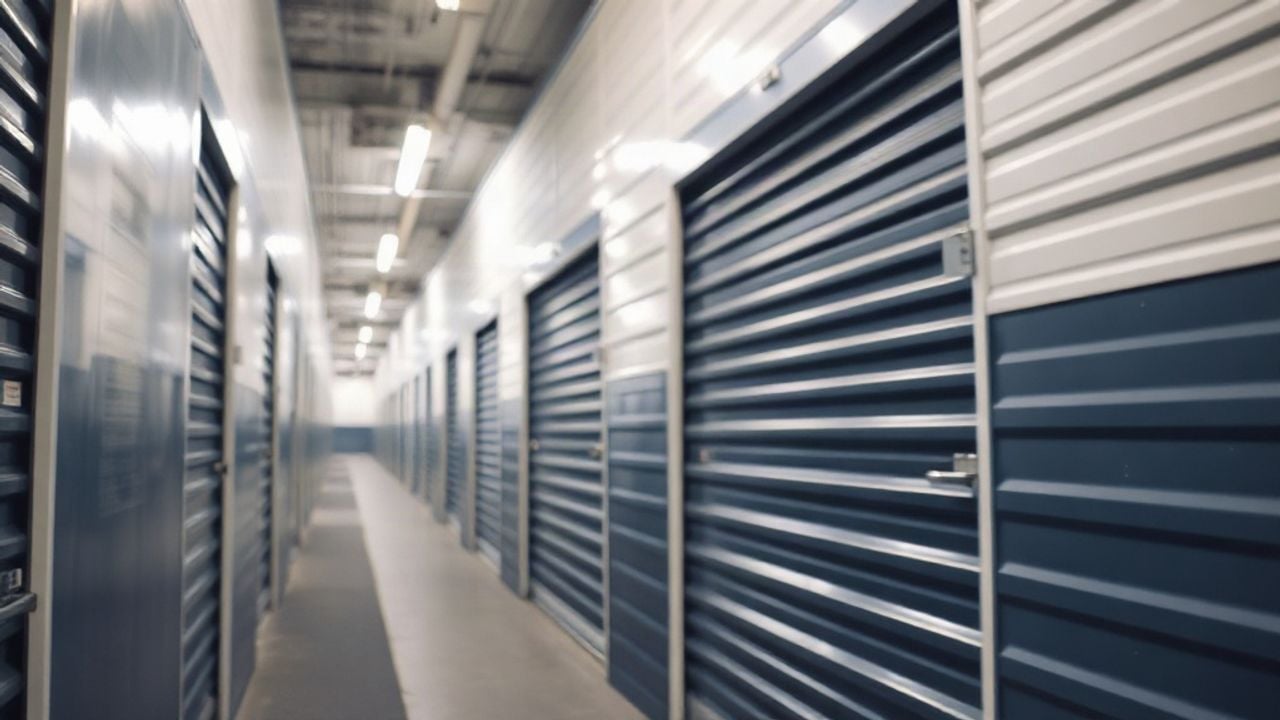 Storage UnitsSecure Storage Units in Alma AR
Practical Tips That Keep Costs and Headaches Low
Place rarely used boxes at the back and create a center aisle wide enough for a hand truck; this layout prevents restacking every time something is retrieved.
- Label each box on two sides and keep a simple spreadsheet of contents so locating winter coats in July does not require opening twenty containers.
- Store furniture legs and hardware in labeled zip bags taped to the underside of the piece, eliminating the hunt for screws when reassembling later.
- Rotate stored food or documents every six months and note the date on the box to avoid expired items or faded paperwork.
- Keep an extra copy of the gate code and facility phone number in a phone wallet so a dead battery does not strand you outside after closing time.
- Review the account online each quarter to catch automatic renewals before they jump to month-to-month rates that can be thirty percent higher.
Storage Units: Frequently Asked Questions
What exactly are Storage Units and how do they work
Storage Units are secure, rentable spaces—ranging from lockers to full-size rooms—where individuals and businesses keep belongings they do not need daily. The units sit inside fenced facilities that control access through gates, cameras, and sometimes on-site staff, allowing owners to retrieve items whenever the office is open.
Which factors should guide my choice of Storage Units provider
Compare at least three facilities by measuring your largest items, requesting itemized quotes, and visiting during the hours you plan to use the unit. Check gate technology, lighting, and contract terms for rate increases or banned items before signing.
How do Storage Units pricing structures typically work
Prices start around thirty-five dollars for a 5×5 locker and rise to one-hundred-twenty dollars or more for a 10×15 climate-controlled space. Expect deposits, taxes, and optional insurance; longer rental terms and off-peak seasons oftenfrequently reduce the monthly rate by five to ten percent.
Is after-hours access available at most Storage Units facilities
Many Alma facilities install coded gates that stay open from 6 a.m. to 10 p.m. daily, but confirm exact hours in writing. Some sites charge extra for 24-hour codes, while others restrict access to daylight hours only.
What belongings are forbidden in Storage Units facilities
Facilities prohibit gasoline, propane, paints, ammunition, and any living plants or animals. The ban protects neighboring renters from fire, fumes, and pests that could spread through the building.
Should I purchase separate insurance for items in Storage Units
Homeowners policies sometimes cover stored goods, but many require separate riders once items leave the residence. Facility plans cost about ten dollars monthly and pay out for theft or water damage up to stated limits.
Storage Units solve space problems when sized correctly and maintained with clear records. Photographs of the empty space and a detailed inventory protect both budget and belongings for the entire rental period.
Reading the lease annually uncovers automatic price increases and lets you adjust insurance as stored items change, keeping long-term costs steady and free from sudden expenses.